Why Do RV Parks Ban Onboard Washers and Dryers? (The Real Reasons)
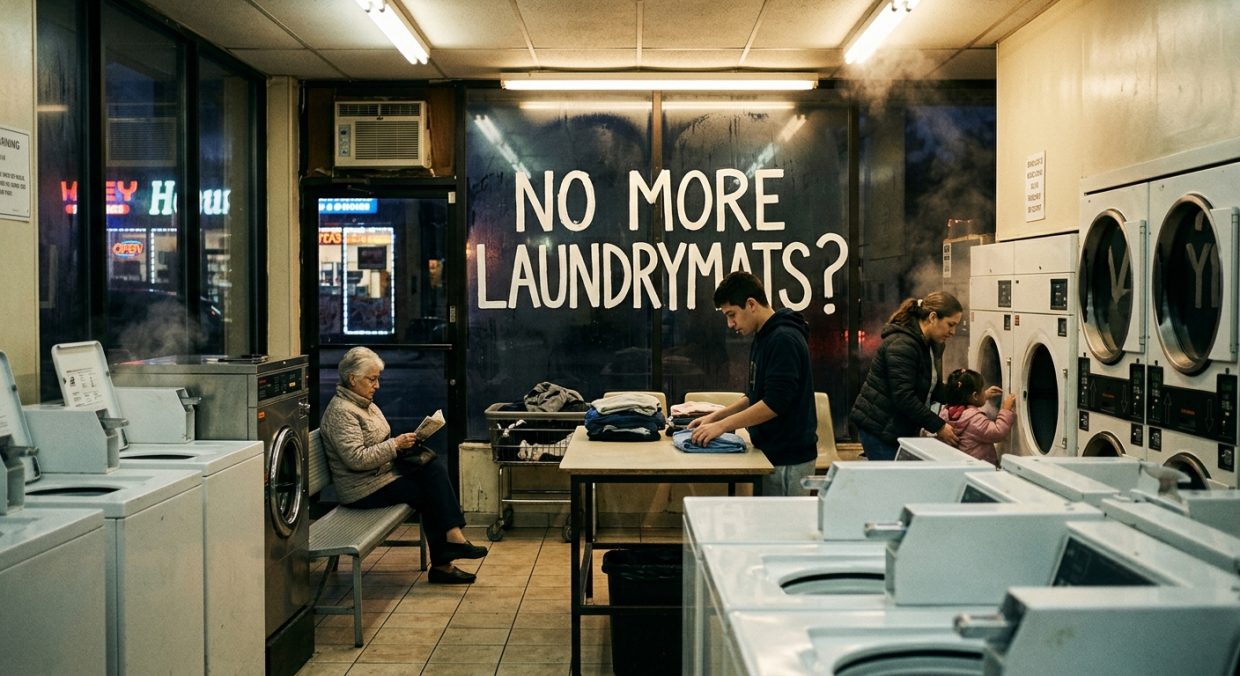
You spent top dollar to get an RV equipped with a washer and dryer—or paid extra to install a compact unit—so you could wave goodbye to dirty laundromats forever. But then you arrive at a scenic campground, sit down to sign the site agreement, and read the fine print: “Onboard RV Washer and Dryer Use Strictly Prohibited.”
Thank you for reading this post, don't forget to subscribe!It feels like a bait-and-switch. You have full hookups, you’re paying for your site, so why does it matter if you wash a load of towels inside your own rig?
Before you flip the switch on a sneaky midnight load, it helps to look under the hood. Campground laundry bans aren’t usually meant to hassle you; they are almost always driven by serious infrastructure limitations. Here is a breakdown of why these rules exist, the absolute don’ts of handling banned laundry, and the best ways to keep your clothes clean without getting evicted.
The “Why”: What’s Really Happening Behind the Fine Print
1. Septic System Overload
This is the single biggest reason parks ban in-unit machines. Commercial systems handle steady, gradual flow. An onboard washer discharges 10 to 20 gallons of gray water in rapid surges during rinse and spin cycles. Multiply that by dozens of rigs running laundry on a hot Saturday, and the ground saturation spikes. Excessive water drowns the beneficial bacteria required to break down waste, leading to leach field failure and disgusting sewage backups into neighboring sites.
2. Electrical Grid Strain
Electric dryers—especially unvented, 120V heat or condenser models—pull high, continuous wattage for two to three hours per load. In older parks or campgrounds with legacy electrical infrastructure, heavy continuous draws trip main breakers and cause brownouts across entire loops.
3. Utility Costs on Unmetered Sites
If you are staying on a daily or weekly rate where utilities are included, running daily laundry consumes massive amounts of water and electricity. For park owners operating on thin margins, unmetered in-unit laundry drains profits quickly.
4. Commercial Laundromat Revenue
Some private parks lease or invest heavily in their on-site laundromat facilities. Restricting in-unit washing ensures those commercial machines generate the steady income needed to pay for their maintenance and leasing agreements.
The Don’ts: Risky Behavior That Can Get You Evicted
- DON’T “sneak a load” at night. Onboard washers vibrate, make distinct pumping noises, and cause sudden water pressure drops nearby. Neighbors notice, and management will too.
- DON’T ignore the signed agreement. Violating explicit park rules gives management grounds to kick you out immediately without a refund.
- DON’T discharge gray water on the ground. Attempting to bypass your holding tank by dumping gray water on your site to prevent backflow violates local environmental health codes in nearly every jurisdiction.
- DON’T argue technicalities. Demanding an exception because your unit is “high-efficiency” won’t work. Staff cannot inspect every rig’s specs, so they enforce blanket policies.
The Do’s: Smart Workarounds for Clean Clothes
- DO ask before you book. Always call ahead or check the digital rules packet before reserving a full-hookup site if in-unit laundry is a dealbreaker for your travel style.
- DO use the park’s laundry facilities off-peak. Hit the campground laundromat early in the morning or mid-afternoon to avoid queues, and pre-sort your clothes inside your rig to save time.
- DO explore local wash-and-fold services. If you hate sitting in laundromats, drop your laundry off at a local wash-and-fold service in town. It’s often surprisingly affordable and saves you hours of effort.
- DO consider portable, manual options. For small daily items like workout gear or undergarments, a non-electric wash bag or portable manual tub uses minimal water and doesn’t strain park systems.
Understanding the limits of campground utilities helps keep the peace on the road. Respecting the site rules protects the park’s infrastructure—and ensures your road trip doesn’t get cut short over a load of laundry.