How to Plan a Budget Trip to Southeast Asia
How to Plan a Budget Trip to Southeast Asia
Unlock the Wonders of Southeast Asia Without Breaking the Bank
Southeast Asia beckons with its vibrant cultures, breathtaking landscapes, and tantalizing cuisines, often perceived as a budget traveler’s paradise. While this reputation largely holds true, successful budget travel in this dynamic region isn’t just about finding the cheapest flights; it’s about strategic planning, informed choices, and a willingness to embrace local experiences. This comprehensive guide will equip you with the knowledge to navigate the costs, minimize expenses, and maximize the adventure of your Southeast Asian journey in 2026, proving that an unforgettable trip doesn’t require a fortune.
Thank you for reading this post, don't forget to subscribe!This post may contain affiliate links. If you make a purchase through these links, PodcastsityTV may earn a small commission at no extra cost to you. This helps support our independent journalism.
The Budget Backpacking Baseline: What to Expect
When envisioning a backpacking adventure through Southeast Asia, one of the first questions that arises is, “How much will it truly cost?” The answer, while varying based on individual travel style and destination choices, can be broadly estimated. For a frugal traveler committed to budget accommodation, local food, and overland transportation, a daily average of $30–$45 USD per person is a practical target. This translates to approximately $900–$1,350 USD per month. For more insights on avoiding common travel blunders, check out our guide on 12 Travel Mistakes First-Time Backpackers Make. This figure covers your in-country expenses, from a bed for the night to three meals a day and local transit, but excludes the significant upfront costs of international flights and comprehensive travel insurance.
Bear in mind that this is an average across the region. Some countries offer more bang for your buck than others, and even within a single country, prices can fluctuate between bustling cities and serene rural areas. Traveling as a pair can sometimes lead to marginal savings by splitting costs on taxis or private rooms, but generally, these estimates are per individual.
Pre-Trip Essentials: Investing in Your Adventure
Before you even set foot in Southeast Asia, there are several crucial investments that will shape your budget and travel experience. These pre-trip expenses, though initially significant, often pay dividends in peace of mind, health, and overall convenience.
Securing Your Flight: The Gateway to Adventure
Your international flight will likely be the single largest upfront cost. To capture the best moments of your journey without overspending, see our tips on How to Take Better Travel Photos on Any Budget. For travelers departing from Europe or North America, a return ticket to a major hub like Bangkok (Thailand), Singapore, or Kuala Lumpur (Malaysia) can range from $750 to $1,300 USD. (Source: Nomadic Matt) These are often the most economical entry points into the region, serving as excellent bases for onward travel.
To secure the best fares, flexibility is your greatest asset.
* Be flexible with your dates: Mid-week travel, shoulder seasons (April-May and September-October), and avoiding major holidays can yield significant savings.
* Use flight comparison sites: Tools like Google Flights, Skyscanner, and Kiwi are invaluable for comparing prices across multiple airlines and routes.
* Consider layovers: Flights with longer layovers, or those connecting through Middle Eastern hubs (Bahrain, Dubai, Istanbul) from Europe, or East Asian hubs (Seoul, Tokyo) from the US, can often be cheaper.
* Pack light: Opting for carry-on only can help avoid additional baggage fees, which are increasingly common even on long-haul flights.
Health and Safety: Vaccinations and Travel Insurance
- Vaccinations: Consult your doctor or a travel clinic well in advance (ideally 6-8 weeks before departure) to determine necessary vaccinations for the region. Costs can vary, but budgeting around $100 USD for essential shots is a reasonable estimate.
- Travel Insurance: While an added expense, travel insurance is non-negotiable for a trip to Southeast Asia. It protects against unforeseen circumstances such as medical emergencies, trip cancelations, lost luggage, and theft. Basic policies might cover trips up to 30 days, but for extended backpacking adventures (one month or more), a long-term policy specifically designed for extended travel is crucial. Costs will vary based on duration, coverage, and age, but consider it an essential investment. Do not rely on your domestic health insurance, as it often provides limited or no coverage abroad. Reputable providers offer comprehensive plans that cover emergency medical treatment, evacuation, and repatriation. (Source: Indietraveller).
Equipping for the Journey: The Right Gear
Beyond flights and insurance, a quality travel backpack is a wise investment, costing roughly $150–$250 USD. Choosing a comfortable, durable, and appropriately sized pack will make your journey significantly more enjoyable. While other gear can be accumulated gradually, a good backpack forms the foundation of your mobile life.
Navigating In-Country Expenses: Daily Living on a Budget
Once you’ve arrived, the true art of budget travel in Southeast Asia lies in how you manage your daily expenses. This region is renowned for its affordability, but smart choices are still key to stretching your dollar.
Accommodation: Your Home Away From Home
- Hostels: For solo travelers or those on a strict budget, hostels are the go-to option. Dorm beds can be found for as little as $5–$15 USD per night in many countries like Laos, Vietnam, and Cambodia. Beyond just sleeping, hostels are fantastic for meeting other travelers and finding local tips.
- Guesthouses: For a bit more privacy without breaking the bank, guesthouses offer basic private rooms ranging from $15–$30 USD per night. These are prevalent across the region and often provide a more local experience than larger hotels.
- Booking platforms: Websites like Hostelworld and Booking.com are useful for finding and comparing accommodation options. Booking a few days in advance, especially in popular areas or during peak season, is advisable.
Food: A Culinary Adventure on a Dime
One of the greatest joys (and savings) of traveling Southeast Asia is the food.
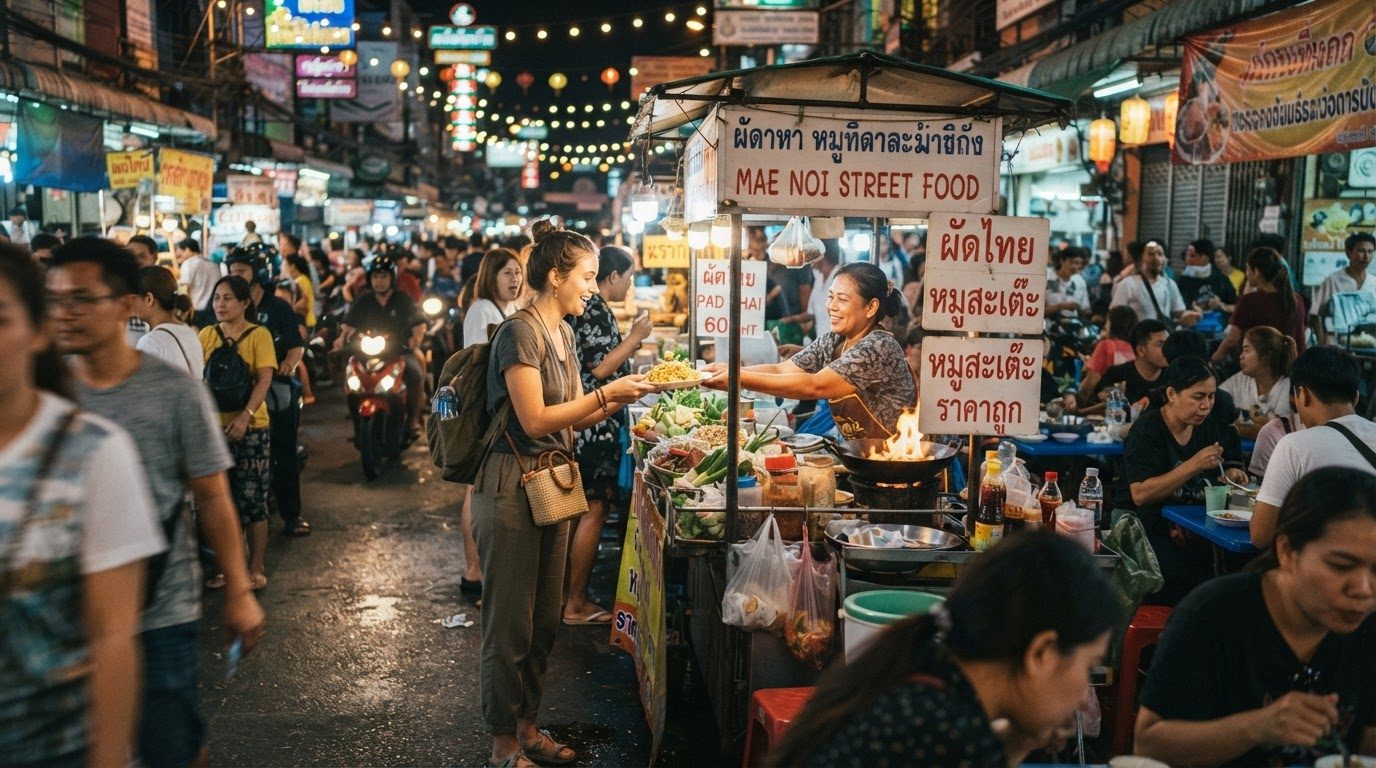
* Street Food and Local Markets: Embrace the vibrant street food scene. Delicious and authentic meals can cost as little as $1.50–$5 USD in countries like Thailand and Vietnam. Local markets offer fresh produce and prepared dishes at incredibly low prices. Look for stalls bustling with locals – a sure sign of good quality and value.
* Local Restaurants (Warungs/Eateries): Beyond street stalls, small, family-run restaurants offer sit-down meals for $3–$8 USD. These are often fantastic for experiencing regional specialties.
* Cooking your own meals: While less common for backpackers due to limited kitchen facilities in hostels, if you have access, buying ingredients from local markets and cooking can save money, particularly in places with slightly higher restaurant prices.
Transportation: Getting Around Affordably
Overland travel is the most common and budget-friendly way to move between cities and countries in Southeast Asia.
* Buses and Trains: Long-distance buses and trains are economical and offer a glimpse into local life. Overnight options can save you a night’s accommodation cost. Expect to pay around $10–$30 USD for longer inter-city journeys.
* Local Transport: Within cities, use local buses, shared vans (songthaews), or ride-sharing apps (Grab in many countries, Gojek in Indonesia). Tuk-tuks and motorcycle taxis are abundant but negotiate fares upfront or use meter where available. Renting a scooter for local exploration can cost $5–$10 USD per day. For those considering a more mobile lifestyle, our guide Van Life 101: What Nobody Tells You Before You Start offers valuable insights.
* Flights: While regional flights can sometimes be cheap, they are generally more expensive than overland travel. Only use them for significant time savings or covering vast distances. Booking well in advance can secure better prices.
* Booking platforms: 12Go Asia is a popular platform for booking bus, train, and ferry tickets across the region, often providing transparency and convenience. For more general advice on long-term budget strategies, you might find our article on Traveling the World on a Shoestring Budget: What Actually Works helpful.
Activities: Experiences That Won’t Break the Bank
Southeast Asia offers a wealth of activities, many of which are free or low-cost.
* Temples and Wats: Many temples have free entry, though donations are always appreciated. For those with entry fees (e.g., Angkor Wat), consider multi-day passes if you plan extensive exploration.
* Nature and Beaches: Enjoy stunning beaches, hike in national parks (entrance fees may apply), and explore local villages.
* Walking Tours: Many cities offer free walking tours (tip-based) that provide an excellent introduction to the history and culture.
* Negotiation: In markets and for services like tuk-tuk rides, polite negotiation is common and expected.
Country-by-Country Cost Snapshot
While Southeast Asia is generally affordable, some countries and regions are more budget-friendly than others.
- Thailand: Highly diverse. Northern Thailand (Chiang Mai, Pai) is very cheap ($25–$35 USD/day), while the southern islands (Koh Phi Phi, Phuket) can be significantly more expensive ($45–$55 USD/day). Bangkok is surprisingly affordable for a capital city.
- Laos, Vietnam, Cambodia: These three countries consistently rank among the cheapest, with daily budgets often in the $20–$30 USD range. Luang Prabang in Laos can be a bit pricier, as can Siem Reap in Cambodia (due to Angkor Wat).
- Malaysia and Philippines: Generally mid-range, with daily budgets of $35–$45 USD. Costs can increase if visiting multiple islands in the Philippines or exploring Malaysian Borneo.
- Singapore: The outlier. Singapore is significantly more expensive, with even budget hostel dorms costing upwards of $30 USD per night. While possible to visit on a budget, it requires extreme frugality.
Smart Spending Strategies: Making Your Money Go Further
Beyond the daily essentials, these tips can help you stretch your budget even further:
- Be Flexible and Patient: The cheapest options often require more time and less direct routes. Embrace the journey.
- Eat Local: Avoid Western restaurants, which often come with Western prices.
- Drink Tap Water (If Safe): While not universally safe, many hostels and guesthouses offer filtered water refills for free or a small fee, reducing plastic waste and saving money. If not, buy large bottles of water rather than small individual ones.
- Limit Alcohol Consumption: Alcohol, especially in tourist areas, can quickly inflate your budget. Local beers (like Beer Lao or Bintang) are cheaper than cocktails.
- Learn Basic Phrases: A few words in the local language can sometimes lead to better prices or more authentic interactions.
- Avoid Tourist Traps: Research activities and avoid overly commercialized experiences unless they genuinely interest you.
- Digital Nomads & Remote Work: If you plan to work remotely, factor in coworking space costs or reliable internet access.
Why Travel Insurance Isn’t Optional
Reiterating from the pre-trip section, travel insurance is not an optional luxury; it’s a vital safety net. While Southeast Asia is generally safe, unexpected events can and do occur. A serious accident or illness, even a minor one requiring medical attention, can lead to substantial out-of-pocket expenses without adequate coverage. Theft of valuables, while less common, can also be a significant financial setback. For extended trips, ensure your policy specifically covers the duration and activities planned.
PROFESSIONAL DISCLAIMER
This article provides general information and estimates for budget travel in Southeast Asia as of late 2026 and is not legal advice, financial advice, professional advice, or a substitute for expert guidance. Travel costs, regulations, and health advisories are subject to change. Readers are strongly advised to verify all current information with relevant authorities, including their national foreign affairs department, local embassies or consulates of their destination countries, and the World Health Organization (WHO), before making travel arrangements.
Your Southeast Asian Adventure Awaits
Budget travel in Southeast Asia is not just a possibility; it’s a rite of passage for many, offering profound experiences that transcend mere sightseeing. By understanding the typical costs, planning your pre-trip expenses wisely, and adopting smart spending habits on the ground, you can unlock the magic of this incredible region without draining your savings. Embrace the local culture, savor the street food, navigate by public transport, and connect with fellow travelers – your budget-friendly adventure across Southeast Asia awaits.
Frequently Asked Questions
Q: Is Southeast Asia safe for solo female travelers on a budget?
A: Generally, Southeast Asia is considered very safe for solo female travelers. Violent crime is rare, but petty theft can occur. It’s always wise to exercise caution, especially at night, and to be aware of your surroundings. Many hostels cater to solo travelers and offer a supportive community.
Q: What’s the best way to carry money in Southeast Asia?
A: A combination of methods is recommended. Carry a small amount of local currency for daily expenses, use a travel-friendly debit card for ATM withdrawals (check for foreign transaction fees), and have a credit card for emergencies or larger purchases. Inform your bank of your travel plans to avoid card blocks. Avoid carrying large sums of cash.
Q: How much should I budget for visas?
A: Visa requirements vary significantly by nationality and country. Many Southeast Asian countries offer visa-free entry for short stays, while others require an e-visa or visa on arrival. For example, a 90-day e-visa for Vietnam typically costs around $25 USD. Always check the specific requirements for your passport and intended destinations well in advance.
Q: Can I really travel on $30 a day in Southeast Asia?
A: Yes, it is possible to travel on $30 a day in some of the more affordable countries like Laos, Vietnam, and Cambodia, especially if you are extremely frugal. This typically means staying in dorms, eating almost exclusively street food, and relying on public transport. However, this budget might be stretched thin in more expensive areas or if you wish to participate in more activities or have occasional comforts.
Q: What are the most common scams to watch out for?
A: Common scams include the “motorcycle scam” (being blamed for pre-existing damage), tuk-tuk drivers taking you to unwanted shops for commission, and inflated prices for tourists. Always inspect rental vehicles thoroughly and take photos, agree on tuk-tuk fares beforehand, and politely decline unwanted detours. Trust your instincts.