
7 Podcasting Mistakes That Make Listeners Hit Stop

Whether you’re launching your first podcast or have been recording for years, it’s worth experiencing your show from the listener’s point of view. Doing so can help you spot frustrating habits that may be driving people away.
Thank you for reading this post, don't forget to subscribe!
As an avid podcast listener, blogger, and critic, I have plenty of podcast pet peeves. Some are minor annoyances, but others will make me stop an episode and think twice about subscribing.
For a long time, I assumed I was simply being picky. Then I started talking with other podcast fans online and in Facebook groups. As it turns out, many listeners feel the same way.
In 2019, I attended PodCon, an event for podcast creators and listeners. One session focused entirely on the habits that drive audiences crazy and cause them to abandon a show. Sitting in a ballroom full of listeners, along with several well-known podcast hosts, and hearing them complain about the same things I had been thinking was incredibly validating.
Based on those conversations, along with my own listening experience, here are seven podcasting mistakes you should try to avoid.
1. Making It Difficult to Tell the Hosts Apart
This may not seem like a major problem, but it can make a podcast surprisingly difficult to follow. When co-hosts or actors have similar-sounding voices, new listeners may struggle to understand who is speaking.
For an audio drama, you can address this issue during casting. Before recording and editing your first episode, organize a table read with the actors you’re considering. Ask a few people who are unfamiliar with the characters to listen and provide feedback.
Don’t rely only on your own judgment. You already know the story, characters, and performers, so you may hear distinctions that aren’t obvious to a first-time listener.
The same issue can arise on conversational podcasts. You and your longtime friends may believe that everyone sounds completely different, but that’s partly because you’ve known one another for years. A new listener doesn’t have that advantage.
When several unfamiliar voices are moving quickly through a conversation, listeners can easily lose track of who is speaking. If following the discussion starts to feel like work, they may decide the show isn’t worth the effort.
Of course, you can’t completely change the way someone speaks, nor should you suppress the personalities and chemistry that make your show entertaining. Instead, give listeners a little help:
- Acknowledge the similarity. In your first episode, mention that some of the hosts sound alike and that you’ll make an effort to identify speakers clearly.
- Use names when passing the conversation. After finishing a thought, say something like, “Chris, what do you think?” The Women Who Travel podcast does this particularly well.
- Identify yourself before jumping in. During a group conversation, you might say, “This is Joe, and I disagree with what Chris just said.”
These small cues make a big difference. Over time, regular listeners will naturally learn to recognize each person’s voice.
2. Spending Too Long on Housekeeping

If an episode doesn’t reach its main topic within the first few minutes, many new listeners will skip ahead or turn it off.
Podcast hosts often spend the first five to ten minutes discussing events, bonus content, books, memberships, merchandise, and other announcements. These updates may help build a community around the show, but they usually aren’t why someone downloaded the episode.
Listeners pressed play because the title and description promised a particular topic. Give them what they came for.
That doesn’t mean you have to eliminate announcements. You simply need to place them more strategically.
At the beginning of the episode, spend no more than 20 seconds mentioning that you have updates about upcoming events, bonus material, or other news and that you’ll share them later. Loyal listeners will know to stay tuned, while newcomers can get to the main content without sitting through a long introduction.
You can also include one announcement during an ad break. By that point, you’ve already delivered some of the content promised in the title.
Save the remaining updates for the end. Anyone who listens through the entire episode is much more likely to care about your other projects and announcements.
Be especially mindful when interviewing a guest. If the guest is already waiting on the call, don’t make them sit silently while you spend several minutes promoting yourself. If someone has recorded the interview in advance, it’s fine to add a short introduction before saying, “Here’s my conversation with…”
3. Rambling or Talking Just to Fill the Silence

Rambling often happens when a host isn’t sure how to finish a thought or feels uncomfortable with a moment of silence. Unfortunately, listeners can usually tell when someone is talking simply to fill space.
This creates two major problems.
First, it wastes time and pulls attention away from the episode’s purpose.
Every episode should have a clear objective. You should know what you want listeners to understand, feel, or do by the end, as well as the main ideas you need to cover to get them there.
If you spend several minutes wandering through an unrelated story because you don’t know how to stop, you’re taking time away from the subject listeners expected to hear about.
A brief aside can add personality. A three-minute tangent usually adds frustration.
The opposite problem can be just as annoying. Some hosts rush through valuable conversations because they’re afraid of exceeding an arbitrary episode length.
Unless a guest has clearly stated that they must leave at a certain time, don’t cut off an interesting answer just to keep the recording under 40 or 60 minutes. It can come across as rude, especially when you leave the comment in the final edit.
You invited the guest because their ideas matter. Don’t make the clock seem more important than what they have to say. Record the full conversation, then edit it thoughtfully afterward if needed.
Rambling is also particularly damaging for new listeners.
You can’t control which episode someone discovers first. Every episode is a potential entry point, so each one should be coherent, focused, and welcoming to someone who has never heard the show before.
If your earliest episodes are genuinely difficult to listen to, consider adding a newly recorded introduction. The Gilmore Guys took this approach by warning new listeners that the early episodes were rough but that the show improved. A little honesty can encourage people to stick around.
4. Overusing Inside Jokes
Most people know how awkward it feels to stand near a group that is laughing about something you don’t understand. There’s even a memorable scene in The Office where Michael pretends to understand a joke before admitting he’s never been part of an inside joke.
Inside jokes can create a strong sense of community for longtime listeners, but they can also make new listeners feel excluded.
I was surprised by how many PodCon attendees complained about this. These were passionate podcast fans who were probably highly loyal to their favorite shows, yet even they found excessive inside jokes frustrating.
That doesn’t mean you must eliminate them. The West Wing Weekly, one of my favorite podcasts, had plenty of recurring jokes that delighted regular listeners. The difference was in how the jokes were presented.
An effective recurring joke should have been introduced or developed on the podcast itself. It shouldn’t come from the hosts’ private lives and appear without explanation.
You should also use it sparingly. Make the joke, enjoy the laugh, and move on. Don’t spend the next 15 or 20 seconds riffing on a reference that part of your audience doesn’t understand.
There’s a fine line between sharing genuine chemistry and making listeners feel as though they’ve walked into a private conversation. Keep the episode’s purpose in mind, and don’t let insider language take over the discussion.
5. Constantly Interrupting Co-Hosts and Guests
Being the host doesn’t mean you need to dominate every conversation.
When you invite a guest onto your show, listeners assume you value that person’s knowledge and perspective. Give them enough space to express it.
At PodCon, I believe Hrishi compared hosting a podcast to hosting a party: the host should manage the experience while also blending into the background. That’s an excellent way to think about it.
Your job is to guide the conversation, keep it moving, and help everyone else shine. It isn’t to pull the focus back to yourself every few seconds.
If you regularly interrupt people, practice active listening. Instead of planning what you’ll say next, concentrate on what the other person is actually saying. If necessary, mute your microphone while they answer and practice muting and unmuting smoothly.
Co-hosts can also develop visual cues for remote recordings. One signal might indicate that someone wants to speak, while another could mean “speak louder” or “tell us more.” Make sure the signals are easy to distinguish.
Finally, avoid making a habit of finishing other people’s sentences. Even if you know your co-host well, you may be wrong about what they intended to say.
6. Using Loud, Abrupt, or Irrelevant Advertisements
Listeners complain about this one constantly.
Advertising brings in revenue and can help cover production costs, but you need to handle ads with care. This applies whether they come from an outside sponsor, are prerecorded by the host, or are delivered as a live read.
Start by matching the volume.
No one wants to lunge for their phone or pull out an earbud because an advertisement is dramatically louder than the rest of the episode.
A friend of mine used to listen to a hugely popular podcast in bed because it helped them fall asleep. The show eventually began using dynamic advertisements that were much louder than the main audio. Those ads would wake my friend just as they were drifting off, so they eventually stopped listening altogether.
Sponsors should also make sense to the audience.
I once enjoyed a podcast about technology and business but dreaded its long advertisements for nut milk. The product felt completely disconnected from the show’s subject matter.
If a major brand gives you a script, ask whether you can adapt it to your usual speaking style. On another show I enjoyed, the host read highly scripted advertisements for Hallmark cards. The delivery sounded forced because the copy didn’t fit naturally with the show or the host’s voice.
Sometimes you may need to turn down a sponsorship. Your listeners come to your podcast for a specific reason, and a badly matched advertisement can damage the trust you’ve built with them.
Most importantly, tell listeners when an ad break is beginning.
Don’t suddenly launch into a live read or insert a prerecorded commercial without a transition. Abrupt ads can feel jarring, especially when the ad’s tone clashes with the episode’s subject.
I discussed this in my review of the Broken Harts podcast. Ads for a comedy program appeared in the middle of a story about dead children, without any warning. The placement was both disruptive and deeply uncomfortable.
Even if you don’t know which advertisement will be inserted, record a transition you can use in editing. Large, professionally produced podcasts do this because it creates a much smoother listening experience.
7. Rebroadcasting Old Episodes Without a Good Reason
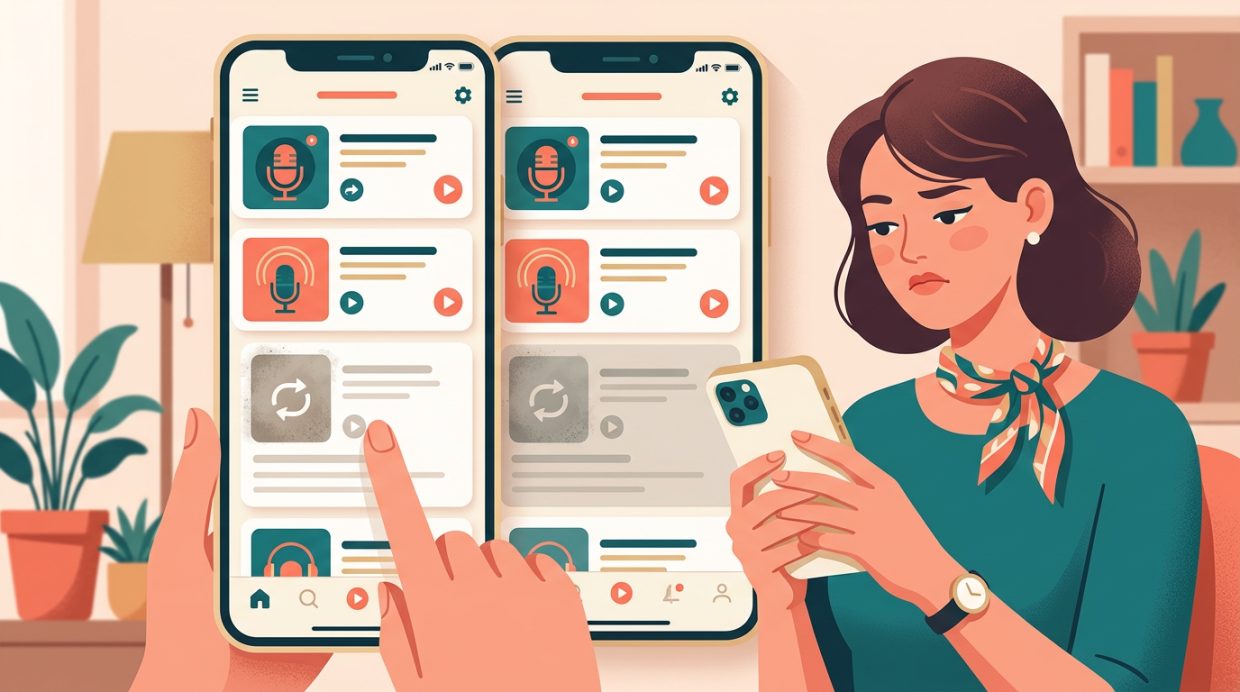
One of the first articles I wrote for the Podcast Maniac blog focused on rebroadcasts. In 2017, many podcasts regularly republished old episodes whenever the hosts were on vacation or running behind schedule. Somehow, that was considered acceptable.
I found it frustrating then, and I still do.
Listeners know how podcast feeds work. They don’t need an old episode pushed back to the top of the list simply because the show is taking a short break.
In most cases, audiences would rather receive no episode at all. Post an update on social media, let people know you’ll be away for a couple of weeks, and return when you have something new to share.
There is one reasonable exception: an older episode may become newly relevant because of current events. For example, a previous discussion might offer useful context during a major public event, such as the Black Lives Matter protests or the coronavirus pandemic.
If you decide to rebroadcast a relevant episode, make the situation clear. Label it as a rebroadcast in the episode title and description, and add a new audio introduction explaining why you’re sharing it again.
Put the Listener’s Experience First
Many of these mistakes come from forgetting what it feels like to encounter a podcast for the first time.
Longtime listeners may understand your recurring jokes, recognize every voice, and care about your announcements. New listeners don’t have that context yet. They need a clear reason to keep listening.
You don’t have to remove the personality, spontaneity, or community that makes your podcast special. Just remember that your audience’s time and attention are valuable.
Make your show easy to follow, stay focused on what you promised, treat your guests with respect, and think carefully about anything that interrupts the listening experience. Those small decisions can determine whether someone turns off the episode or becomes your newest subscriber.