The Evolution of Podcasting: From Audio to Full Video Networks

Prompt engineering for artists is the practice of describing an image in the language a model actually responds to — subject, framing, light, medium and reference — then changing one variable at a time until the result is repeatable instead of lucky. There is no secret phrase, and the artists who get usable output are running a tighter loop, not writing a longer prompt.
Thank you for reading this post, don't forget to subscribe!Most prompt advice arrives as a word list, and a word list stops working the moment you switch models. What carries across Midjourney, Google’s image models and Flux is the structure underneath the words.
Key takeaways
Describing the subject well beats decorating it. Adjectives are the cheapest part of a prompt and the part a model respects least.
Rewriting the same keywords buys you very little. Adding information buys a lot.
Character consistency now comes from reference images, not word tricks.
A prompt that produced an approved frame is a production asset. Record it.
In this guide
What prompt engineering is, and what it cannot do
The four layers of a prompt that actually change the image
Rewriting the same keywords changes almost nothing
Reference images replaced prompt tricks for consistency
A prompt template that survives a model switch
The mistakes that cost the most time
What a prompt does, and does not, get you
Prompt engineering for artists: FAQs
The working habit that matters
What prompt engineering is, and what it cannot do
A text-to-image model turns a string of words into one point in an enormous space of possible images. The prompt is the coordinate. Prompt engineering is finding coordinates that land where you intended, and finding them again on purpose.
Researchers named the difficulty before most practitioners did. In a CHI 2022 study, Vivian Liu and Lydia Chilton of Columbia University noted that open-ended text is double-edged: you can type anything, but when the output is poor your only move is brute-force trial and error.
The ceiling has not moved since. Prompting cannot make a model do something it is bad at, and half of what gets called prompt engineering is really model selection.
The four layers of a prompt that actually change the image
A working prompt does four separate jobs, and they are not equal weight.
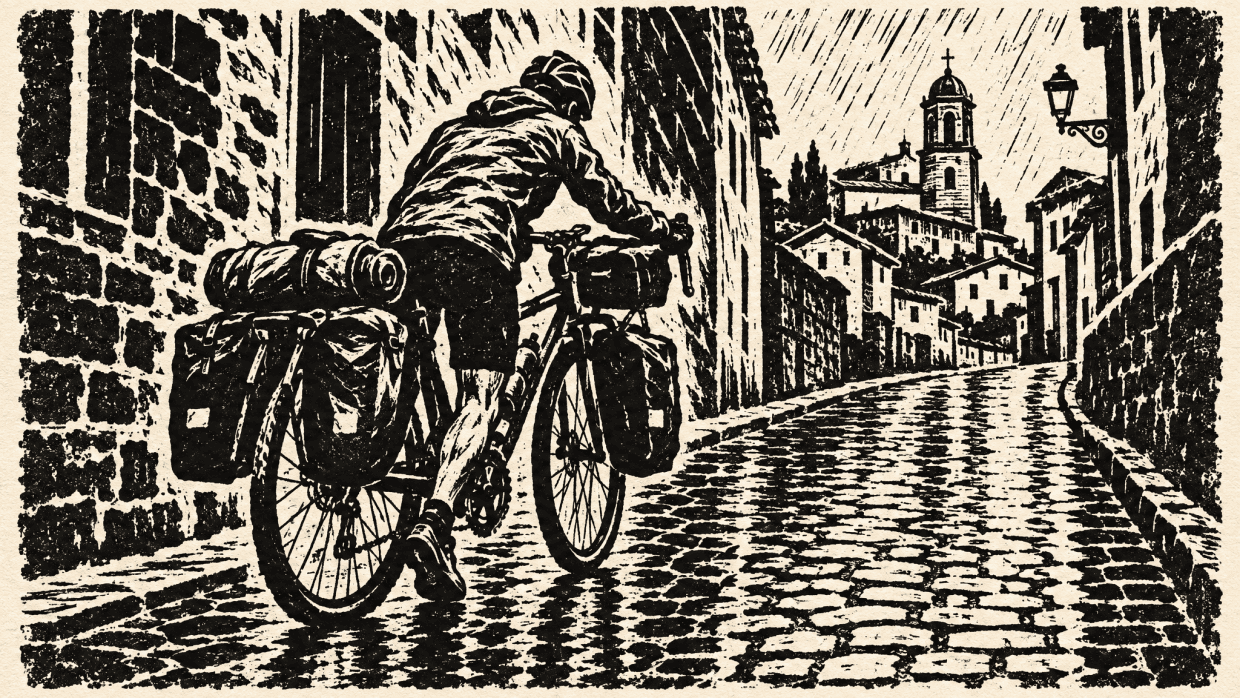
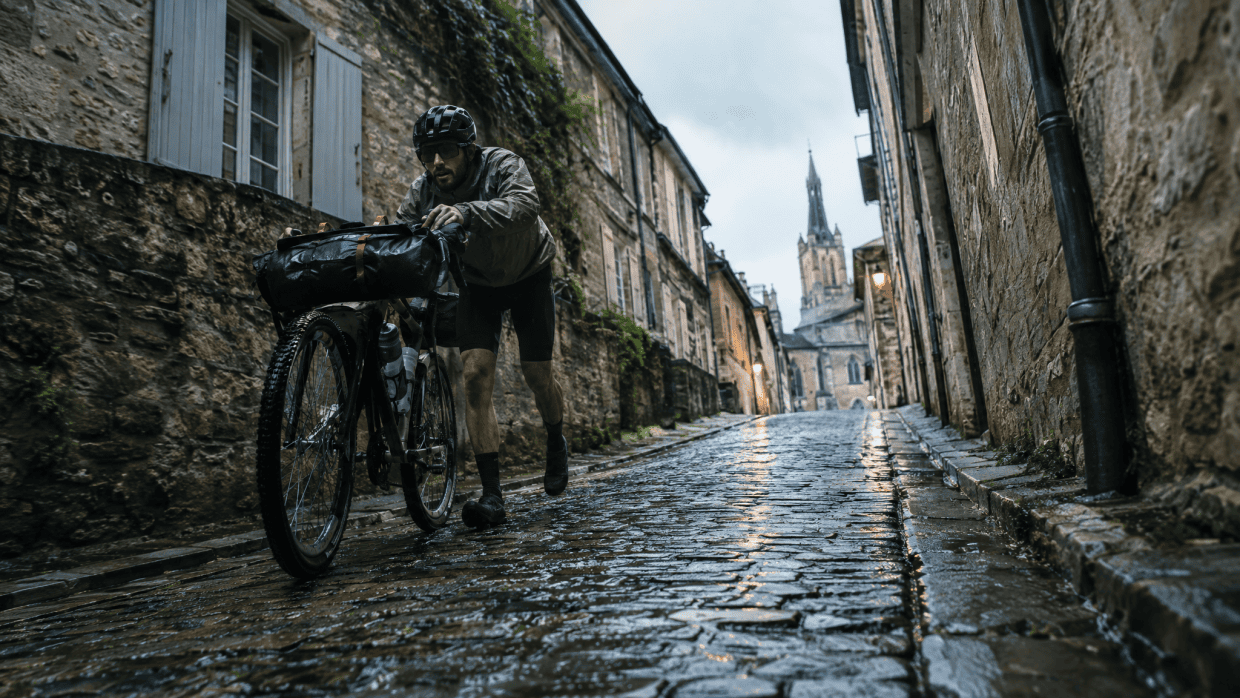
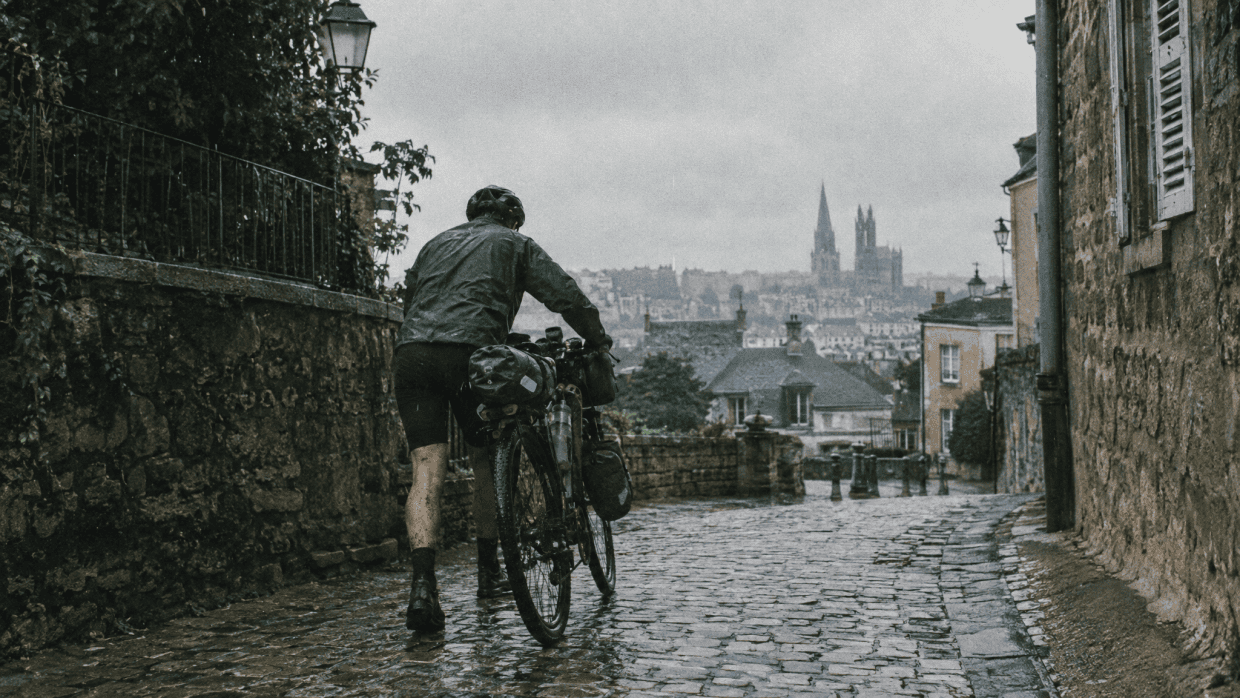
Layer What it controls A working fragment What breaks without it
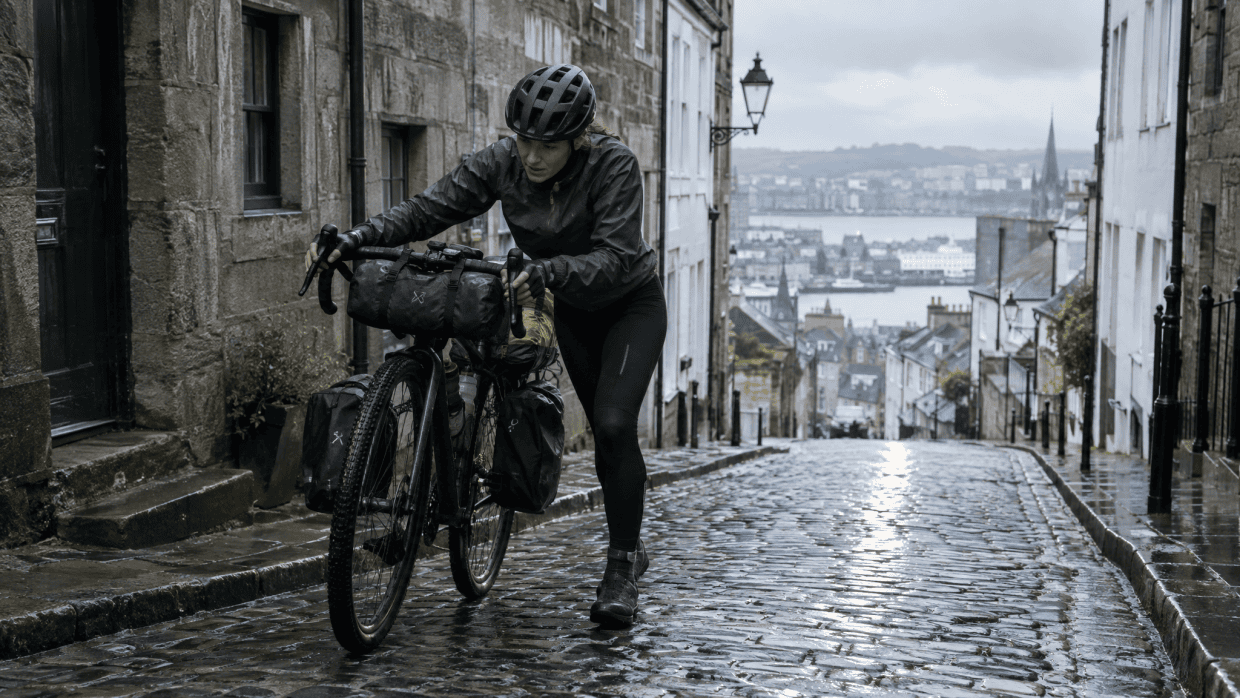
Subject and action Who or what is in frame, and what they are doing “A cyclist pushing a loaded bike up a wet cobblestone street” The model invents the subject and gives you something generic
Composition and camera Camera height, distance, how the subject sits in frame “Low angle, 35mm, subject off-center” Everything arrives centered, eye-level and flat
Light and medium Time of day, direction and softness of light, the material imitated “Overcast afternoon, soft light, frame from 16mm film” You get the default studio look the model ships with
Reference or style anchor The visual target that ties a set of frames together An attached still, or a named medium such as “linocut” A sequence drifts and stops reading as one world
Order matters less than presence, but put the subject first. A style descriptor placed too early can swallow the noun.
Rewriting the same keywords changes almost nothing
Liu and Chilton tested nine phrasings built from the same two keywords — “love in the style of abstract art,” “an abstract painting of love,” “love abstract art” — across 144 subject-and-style combinations, with reviewers comparing shuffled grids.
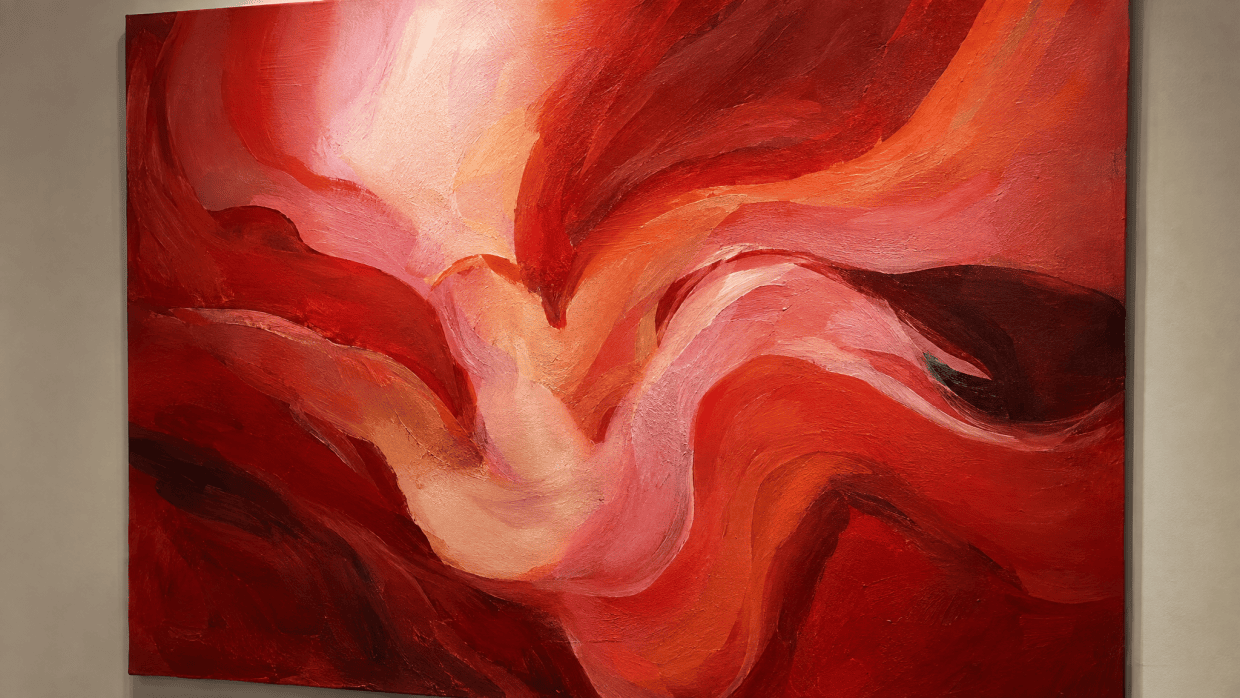
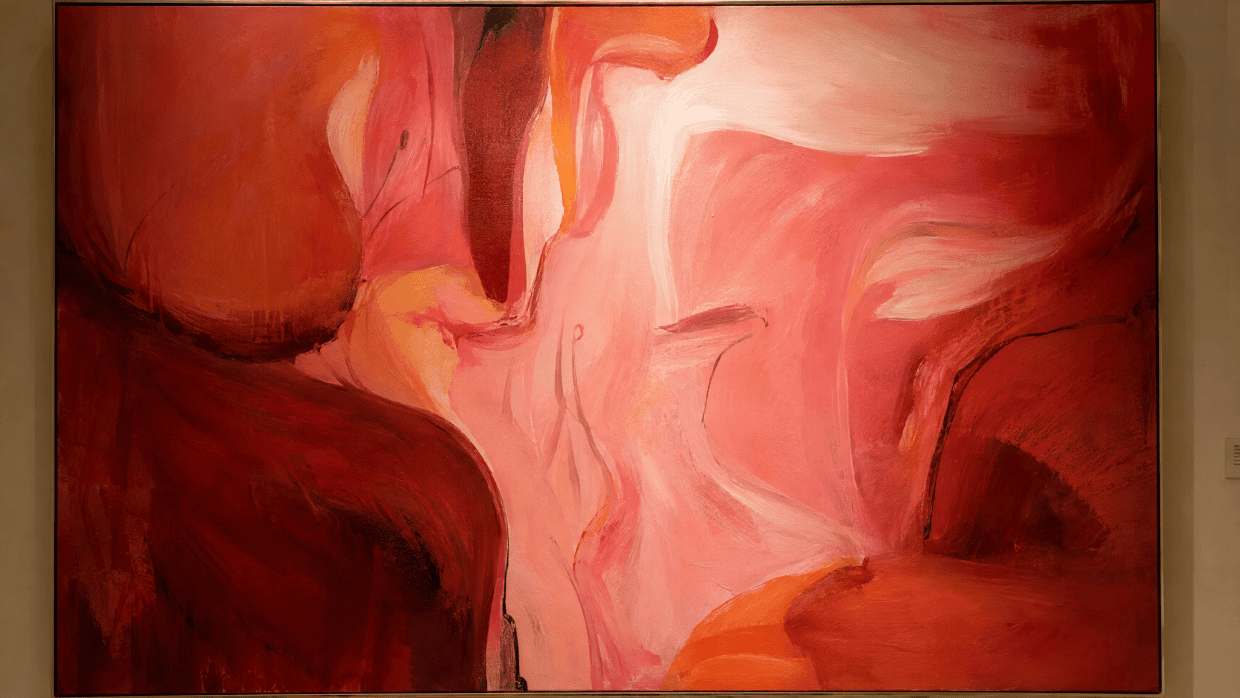
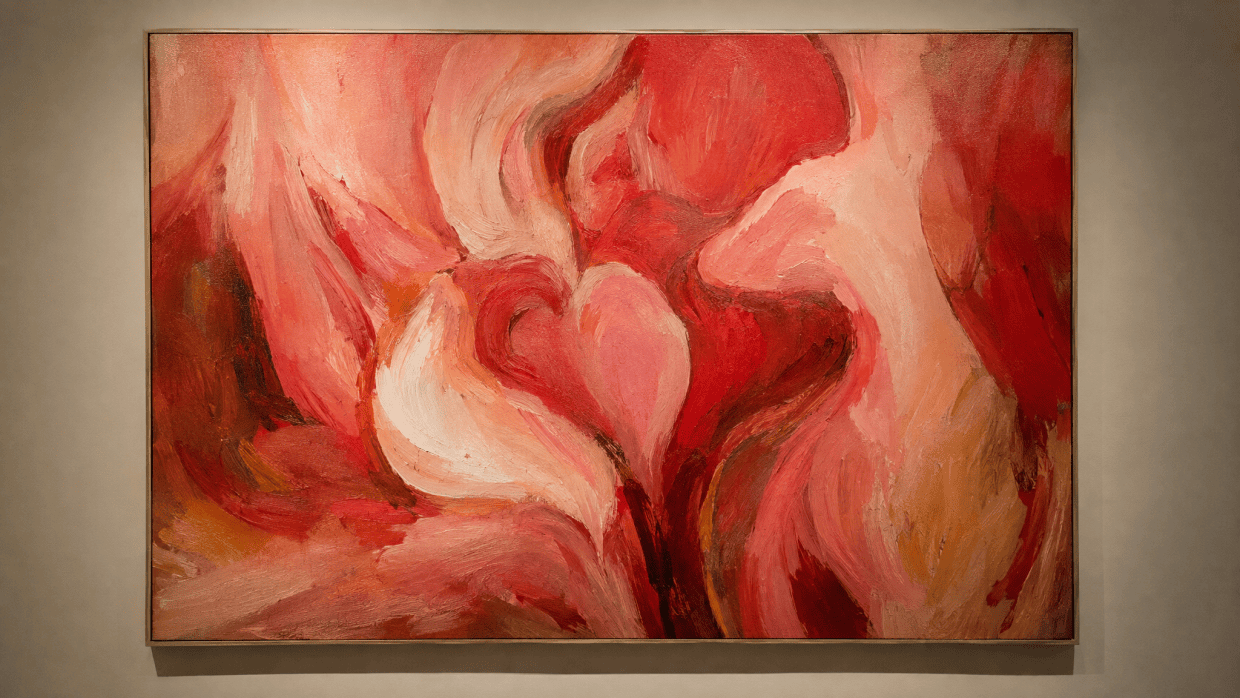
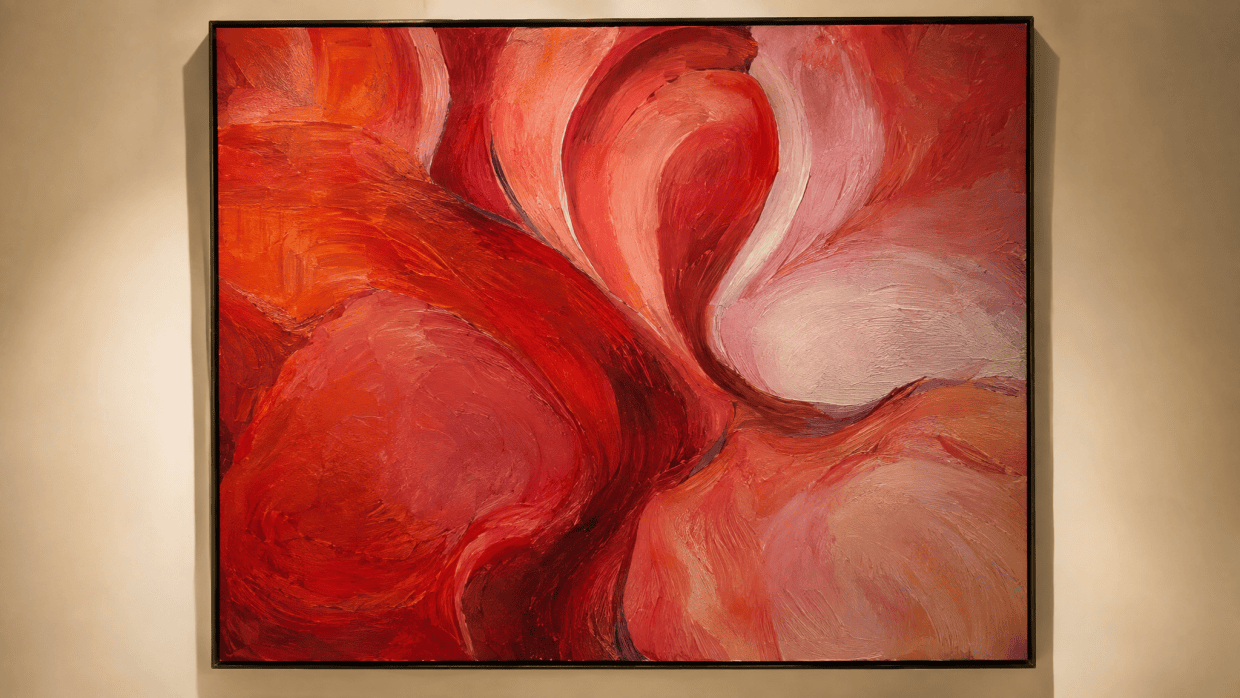
What those reviewers saw was not nine different images. It was nine variations on one image, sharing a palette and an overall aesthetic and diverging mainly in composition. The model is not parsing your grammar. It responds to the concepts you named.
One caveat keeps this honest. That study used earlier models, and today’s systems honor phrasing more: aspect ratio, camera terms and negative constraints all change results now. Rephrasing is still a weak lever. New information is a strong one, and a wrong generation is almost never fixed by a synonym.
Reference images replaced prompt tricks for consistency
Keeping a character recognizable across frames used to mean a verbal incantation: repeat the same description in the same order, lock the seed, hope. Current tools attack the problem structurally instead. Google’s Nano Banana 2, released February 26, 2026 as Gemini 3.1 Flash Image, cites consistency for up to five characters and fidelity for up to 14 objects in one workflow, at resolutions from 512 pixels to 4K. Midjourney’s v8.2 edit model, still being iterated in alpha through early September 2026, puts an editor in the lightbox where you attach up to four reference images.
The consequence is that vocabulary is no longer the bottleneck. Curating references is. Build the reference set before the prompt set, and treat the first approved frame of any character as an asset you protect. Our own series taught us that the expensive way, and how to build consistent characters with AI across multiple scenes walks through the workflow.
A prompt template that survives a model switch
The template below is deliberately plain, because ornate prompts do not port. Each line maps to one of the four layers, and any line can go when the model does not need it.
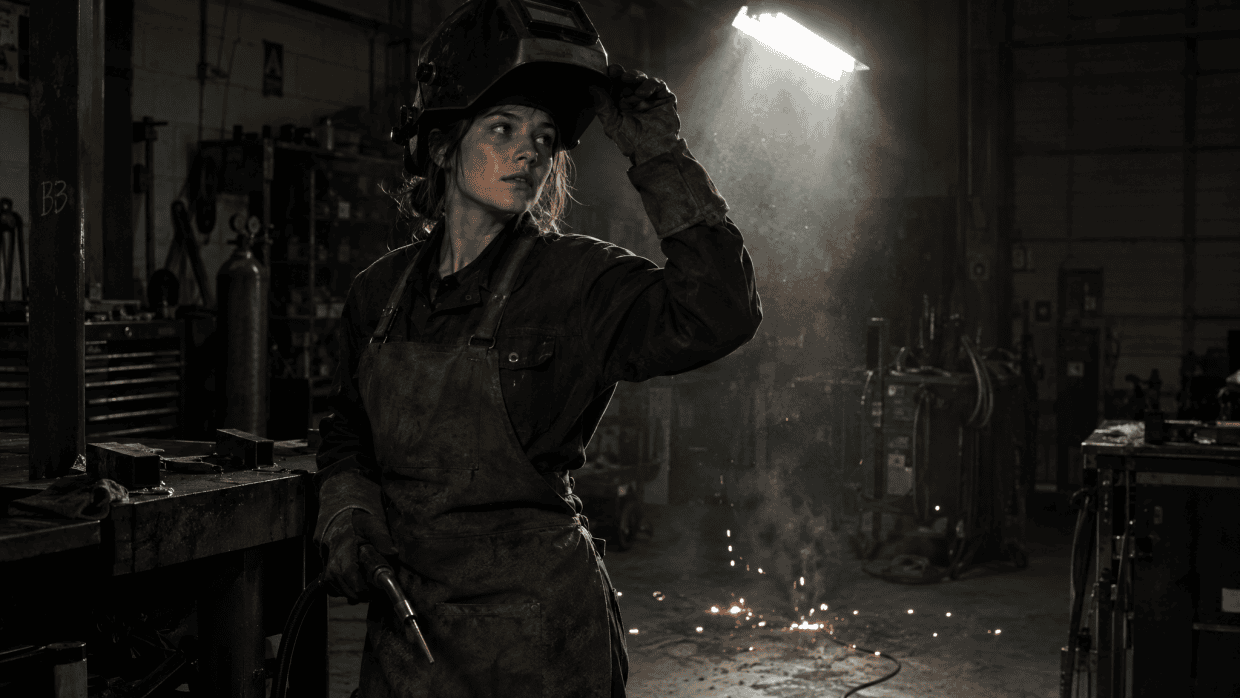
Subject and action — one concrete sentence, concrete nouns, no adjectives yet. “A welder lifting her mask.”
Composition — camera height, distance, lens, foreground. “Medium shot, eye level, 50mm, scaffold pole cutting the left edge.”
Light and medium — time of day, direction, quality, and the material imitated. “Harsh overhead work light, dusty air, slight grain.”
Reference — an attached image, or a named medium (“screenprint,” “gouache”). Never a living artist.
Constraint — the one thing that must not appear. One, not five. A long list of prohibitions spends attention on what you do not want.
Iteration is where a template earns its keep. Change one variable per round, because changing the light and the framing together teaches you nothing reusable. Prefer the edit path over the regenerate path: keeping an approved frame and changing a region beats re-rolling and hoping the composition returns.
The mistakes that cost the most time
These recur, ranked by rework caused rather than how obvious they look.
Prompting adjectives when you needed a noun. “Beautiful, cinematic, dramatic” describes your opinion of an image, not an image. Replace each adjective with a visible fact.
Front-loading style words. Leading with aesthetic terms crowds out the subject. Describe the scene, then place the look.
Naming a living artist. It produces an inconsistent pastiche and draws legal risk. Name the medium inside it instead.
Building a house style out of words only. A style that lives in one sentence dies with the next model update. One that lives in a reference set survives it.
The rest of the beginner failures, including the ones that only surface in production, are covered in 15 mistakes beginners make with AI art generation.
What a prompt does, and does not, get you
If the work is commercial, the copyright question arrives fast. Established: in the United States, copyright requires human authorship. Contested: how much contribution clears that bar. Unresolved: where the line sits for a heavily directed generation.
The U.S. Copyright Office set out its position in Part 2 of its Copyright and Artificial Intelligence report, released January 29, 2025. Generative outputs can be protected only where a human author “has determined sufficient expressive elements” — which can include a human-authored work perceptible in the output, or creative arrangements the human made, “but not the mere provision of prompts.”
The courts have reinforced the human requirement without resolving the middle ground. On March 2, 2026, the Supreme Court declined to review Thaler v. Perlmutter, leaving in place the D.C. Circuit’s 2025 holding that the Copyright Act requires human authorship. That case involved a work with no human prompting or editing at all, so it settles the easy end. The harder question is live in Allen v. Perlmutter, a refusal to register an image refined through more than 600 prompts.
Other jurisdictions are drawing their own lines. On February 13, 2026, the District Court of Munich refused protection for three logos made with text-to-image tools, reasoning that the model must be “closer to a mere tool than to an independent instrument of creation.” A 1,700-character instruction for one logo did not clear the bar.
The practical read is not to avoid AI but to put your creative decisions where a record can show them: the references you supplied, the edits you made, the arrangement you chose. A single generated frame is weak material. A sequenced, edited, art-directed set with a paper trail is a project. Whether AI can replace a traditional animation studio takes that argument further. How AI-generated video series actually get made covers the stage where prompting stops being the hard part.
Prompt engineering for artists: FAQs
What is prompt engineering for artists?
Describing an image in the terms a model responds to — subject, composition, light, medium and reference — then adjusting one variable at a time until the output is repeatable. Closer to art direction than to coding.
Do longer prompts give better results?
Only when each added clause carries information the model can act on. Padding with style adjectives dilutes the subject instead of sharpening it.
Why do I keep getting nearly the same image?
Because you are rewording rather than re-specifying. Nine phrasings built from the same keywords produced variations on one image in a CHI 2022 study. Change the subject, the camera or the light instead.
Can you copyright AI art you prompted?
Not on the strength of the prompt alone. The U.S. Copyright Office requires a human author to have determined sufficient expressive elements; creative arrangement can qualify, the mere provision of prompts does not. Confirm your situation with the Copyright Office or an attorney — this is a general guide, not legal advice.
The working habit that matters
Prompting is a production skill, and like every production skill it rewards a written process more than a clever phrase. Describe the subject, set the camera, name the light, attach a reference, change one thing at a time, keep the record. Do that and the model stops behaving like a slot machine and starts behaving like a tool you can hand a brief to.