
Homesteading: The Rewards and the Demands
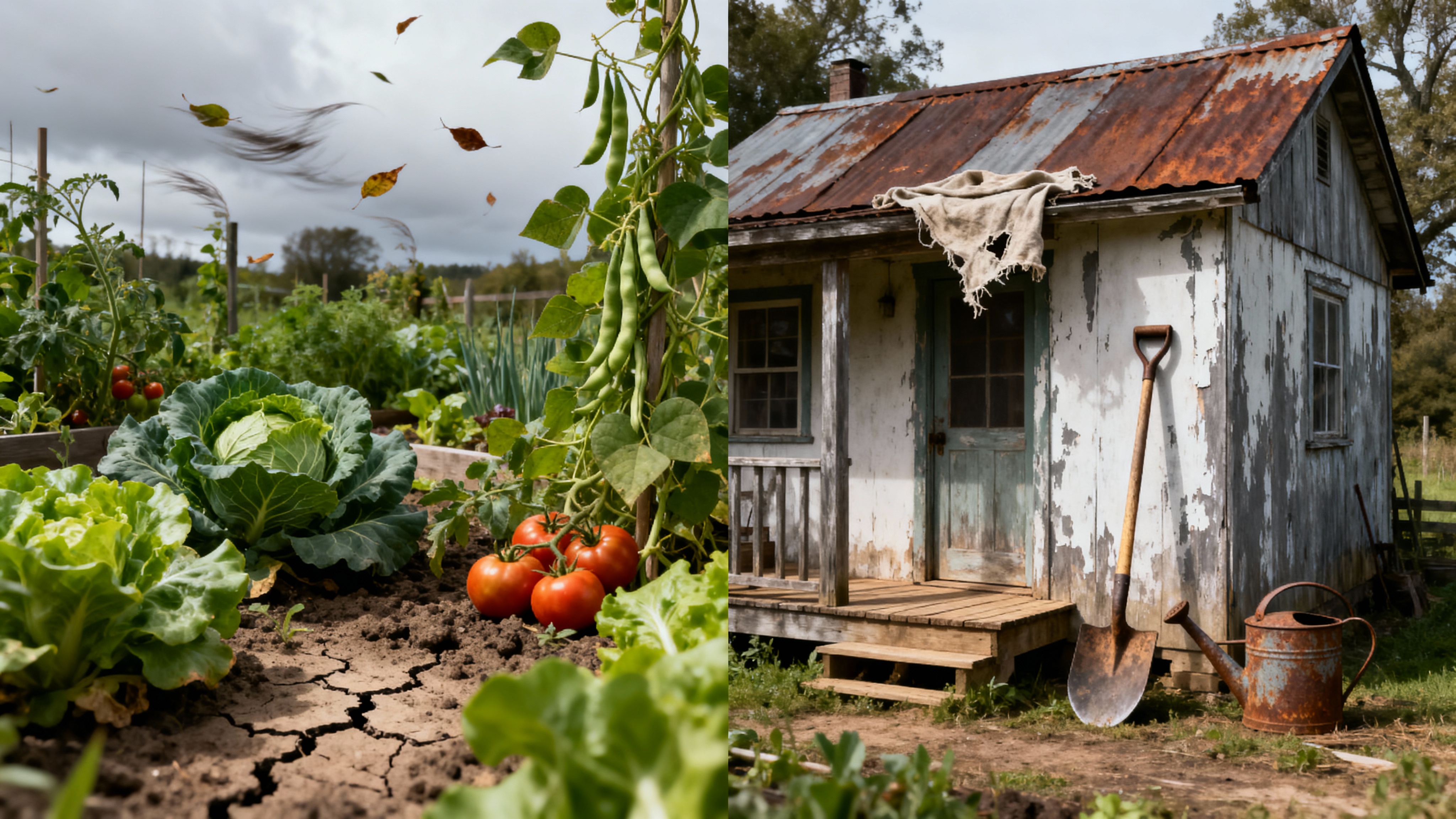
The Allure of Homesteading
Homesteading has made a comeback, not just as a sweet recollection of simpler times but as a purposeful lifestyle choice. People cultivate gardens, care for animals, and fill their pantries with jars that shine like little guarantees for the future. It might seem straightforward, but it’s far from it. This lifestyle is grounded, demanding, and for many, profoundly fulfilling.
Thank you for reading this post, don't forget to subscribe!Inspired by the ethos of the 1862 Homestead Act, today’s homesteaders adapt to modern living. They can be found in urban plots, suburban backyards, and expansive rural landscapes. They grow their own food, raise livestock, gather wild edibles, and craft handmade items. Their motivation? To eat healthier, manage their finances wisely, live more sustainably, and foster a deeper connection to their environment.
However, the reality is not always idyllic. The labor is continuous and unyielding. The seasons dictate the rhythm of life. Animals fall ill, crops sometimes fail, and budgets are stretched to their limits. For every basket of ripe tomatoes, there are grueling early mornings, late-night chores, and tough decisions that test one’s commitment.
This exploration offers a realistic view of the trade-offs involved. It examines the attractions that draw people to homesteading. It also looks at the challenges that cause others to return to the convenience of the grocery store. The aim is straightforward: to grasp what homesteading provides and what it demands in return.
The Allure of Homesteading
The Challenges of Homesteading
The Tireless Nature of the Work
Homesteading involves daily physical labor that doesn’t take breaks for weekends or holidays. Tasks like planting, weeding, and mucking out stalls often happen before dawn. Repairing fences and hauling materials continue well into the evening. The list of things to do expands with each season and can easily overflow. A broken fence or a sick goat adds hours to an already busy day. While the work brings satisfaction, it certainly requires effort, and exhaustion often becomes a familiar companion.
The Impact of Weather and Seasons on Emotions
The rhythm of the seasons sets boundaries and expectations. A late spring, a dry summer, or a pest invasion can unravel weeks of careful planning. Animals can get injured or fall ill, and predators may strike. Loss is an inevitable aspect of the work, and it stings every time. Homesteaders learn resilience, but it doesn’t come without difficulty. Crop failures and setbacks in the barn test their resolve. On certain days, the focus changes from “What’s the next step?” to “Is this even worth it?”
The Financial Aspect: Initial and Ongoing Challenges
Starting a homestead can be more expensive than many anticipate. The costs of seeds, soil enhancers, fencing, tools, shelters, and water systems add up quickly. Then there are the ongoing expenses: feed, veterinary care, repairs, and utilities. When equipment breaks down or animals are lost, the financial burden can be heavy—if the budget can handle it. Growing your own food may reduce grocery bills in the long run. However, the journey to get there can be uneven. For some, store-bought items remain more affordable.
Navigating Markets, Identity, and the Challenges of Small Business
Transforming surplus produce into profit is often trickier than it appears. Keeping a consistent supply, adhering to food safety regulations, managing packaging, and marketing all require time and expertise. Small producers frequently wrestle with how to price their goods fairly without alienating their neighbors. Beyond logistics, labeling can feel restrictive. Some individuals hesitate to identify as “homesteaders,” concerned about the expectations or stereotypes that might come with that identity. They prefer flexibility—space to adapt to changing needs—without the pressure to turn their efforts into a commercial brand.
Creation and Fulfillment
Homesteading allows people to see the fruits of their labor at the end of the day. They turn the soil, erect fences, mend structures, and witness tangible results. A seedling breaks through the ground. A hen lays an egg. A pressure cooker whistles. The pantry fills with bright jars. The work is physical, and so is the pride that comes with it.
This sense of accomplishment goes beyond nostalgia. It’s the continuous cycle of creation: clear objectives, visible progress, and useful results. Each season brings new skills. These include better pruning, smarter crop rotation, and the ability to fix a pump without relying on outside help. While routines can become monotonous and challenging, the meaning often outweighs the drudgery. Homesteaders don’t just consume—they create, changing how they view food, time, and home.
Moments of creativity are reflected in both small victories and significant milestones:
- The first harvest that confirms their efforts were worthwhile
- A loaf of bread made from home-ground grain, sliced fresh while still warm
- Milk transformed into yogurt or cheese, thickening under a clean cloth
- A compost pile that turns into soil, which eventually becomes dinner
- Tools repaired rather than replaced, extending their useful life
- Saved seeds, neatly labeled and sown again—self-sufficiency in a simple packet
- A stocked freezer, cellar, or pantry prepared for winter, measured in orderly rows
- Skills passed down to children or neighbors, turning effort into a lasting legacy
Enhanced Flavor and Nutrition
It’s often said that homegrown food tastes different. Tomatoes are picked at their peak ripeness, not before they can withstand a truck ride. Eggs have yolks rich in color, reminiscent of marigolds. Fresh herbs are snipped just moments before dinner. Taste offers the first hint—bright, sweet, peppery, or earthy—but beneath that flavor lies a key advantage: freshness. Food that goes from the garden to the kitchen in a matter of hours retains more of its vibrant qualities. It is closer to its natural state.
Several factors contribute to this edge in flavor and nutrition:
- Peak ripeness: Harvesting at the right moment intensifies sugars, acids, and volatile compounds. It also preserves fragile vitamins like C and folate.
- Variety selection: Heirloom and specialty breeds are chosen for taste. This choice prioritizes taste over shelf life. As a result, they yield richer flavors and diverse nutrient profiles.
- Soil health: Utilizing compost, cover crops, and living soils enhances mineral availability and micro-nutrient richness.
- Minimal storage time: Reduced transport and refrigeration translate to fewer nutrient losses and improved texture.
- Animal welfare and diet: Pasture and diverse forage can enhance fat quality and flavor in eggs, milk, and meat.
- Gentle processing: Quick cooling, careful washing, and low-heat cooking or fermentation help retain nutrients and improve bioavailability.
These advantages manifest in everyday meals. Sweet corn remains sweet when eaten the same day it’s picked, before sugars turn to starch. Leafy greens maintain more vitamin C when they avoid extended storage. Pasture-raised eggs often showcase deeper color and a distinctive fat profile, with many describing the taste as richer. Even preservation techniques can be beneficial. Canned or sauced tomatoes concentrate lycopene. Fermentation can introduce beneficial acids while making certain nutrients easier to absorb.
However, these benefits are not guaranteed. Poor soil can yield bland produce, and overcooking can strip away delicate vitamins, regardless of the food’s source. The most consistent improvements come from a few key practices. These include testing and amending soil, selecting flavor-bred cultivars, and harvesting close to mealtime. It is also important to store produce in cool, dry conditions. Use cooking methods that safeguard nutrients, such as steaming, sautéing, or carefully pressure-canning. When done right, homesteading doesn’t just enhance food’s flavor; it helps preserve its nourishing qualities.
Health Benefits
Many find that homesteading brings about a simple yet powerful change. It leads to a shift toward cleaner eating. More physical activity becomes part of everyday life. Fresh harvests are consumed at their peak, leading to meals that lean less on ultra-processed foods. Homegrown produce, combined with consistent hands-on work, tends to bolster overall health. While it’s not a miracle cure, it lays a meaningful foundation for well-being.
The labor involved serves as a form of exercise. Tasks like carrying water, mucking out pens, digging beds, and hauling compost build strength. They enhance stamina and flexibility. This is achieved without the need for a gym membership. The chores that keep a homestead functioning effectively double as low-cost, full-body workouts. Of course, overuse injuries can occur. Therefore, pacing, using the right tools, and taking breaks are just as important as effort.
Mental health benefits also emerge. Sunlight, soil, and a structured routine provide a sense of purpose. Time spent outdoors serves as a buffer against stress. Regular exposure to nature and meaningful activities can reduce anxiety and enhance mood. Conversely, challenges like sick animals and failed crops can test one’s resilience. Long, exhausting days can also be challenging. This is why community support and realistic expectations are vital.
Nutrition improves in tangible ways. A shorter time from harvest to plate helps preserve vitamin C and delicate phytonutrients. Seasonal eating diversifies the diet. Items like ferments, eggs, and pastured meats provide essential proteins and healthy fats. Control over food ingredients empowers individuals to prioritize nutrient-dense, minimally processed options. Balance remains key, as do food safety measures, variety, and consistent health care.
Sustainability and Food Security
Creating Circular Systems
Homesteaders frequently design systems that convert waste into valuable resources. Compost, manure, and mulch nourish the soil. They do not end up in landfills. Graywater systems and rainwater collection help maximize limited water supplies. Many incorporate perennials, cover crops, and rotational practices to promote soil carbon and biodiversity. The result is a small yet resilient ecosystem. It relies less on external inputs. Soil health is enhanced. Harvests become steadier over time.
Shorter Supply Chains and Greater Resilience
By cultivating food at home, families lessen their reliance on industrial agriculture and complex transport networks. In times of disruption, having eggs in the coop can make a significant difference. Whether due to storms, price increases, or supply chain shocks. Greens in a cold frame also provide support. Yet, the picture is nuanced. Inputs like feed, fencing, fuel, and plastic for extending growing seasons still connect many homesteaders to larger markets. Sustainability can improve as skills develop and the need for purchased inputs declines.
Preserving Harvests for Future Needs
Food security encompasses not just what is grown but also what can be preserved. Techniques like canning, fermenting, drying, and freezing extend summer’s bounty into winter. Root cellars, cool pantries, and succession planting create layers of security. A well-managed larder can support a household through lean times. Surplus often spills into the community and is shared, bartered, or sold informally.
Acknowledging Limits, Risks, and the Cost of Self-Reliance
Nature imposes strict limits. Late frosts, droughts, pests, and diseases can wipe out months of effort. Infrastructure—irrigation systems, fencing, greenhouses—can enhance resilience but requires investment, ongoing maintenance, and energy. In arid climates, access to water can become a severe constraint, further complicating the pursuit of self-sufficiency.