Leftovers Reinvented: Turning Last Night’s Dinner Into Today’s Best Meal

Leftovers have a PR problem
Last night’s leftovers have a longstanding public relations issue. Too often they’re treated as a slightly sad, slightly soggy rerun of last night’s meal, reheated in the microwave out of obligation rather than excitement. But a growing shift in home cooking has reinvented leftovers as a genuine creative opportunity — transforming yesterday’s dinner into something that doesn’t just taste different but often tastes better than the original.
Thank you for reading this post, don't forget to subscribe!The Mindset Shift: Ingredients, Not Meals
The key reframe that unlocks better leftover cooking is to stop thinking of your leftovers as “last night’s dinner” and start thinking of them as pre-cooked ingredients ready to be repurposed into something new. A roasted chicken isn’t just tomorrow’s reheated chicken dinner — it’s shredded protein ready to go into tacos, a soup base, a grain bowl, or a sandwich filling. This single mental shift is responsible for most of the creativity in this trend, because it opens up an entirely different set of possibilities than simply reheating the same plate.
Crispy Wraps: The Underrated Leftover Transformation
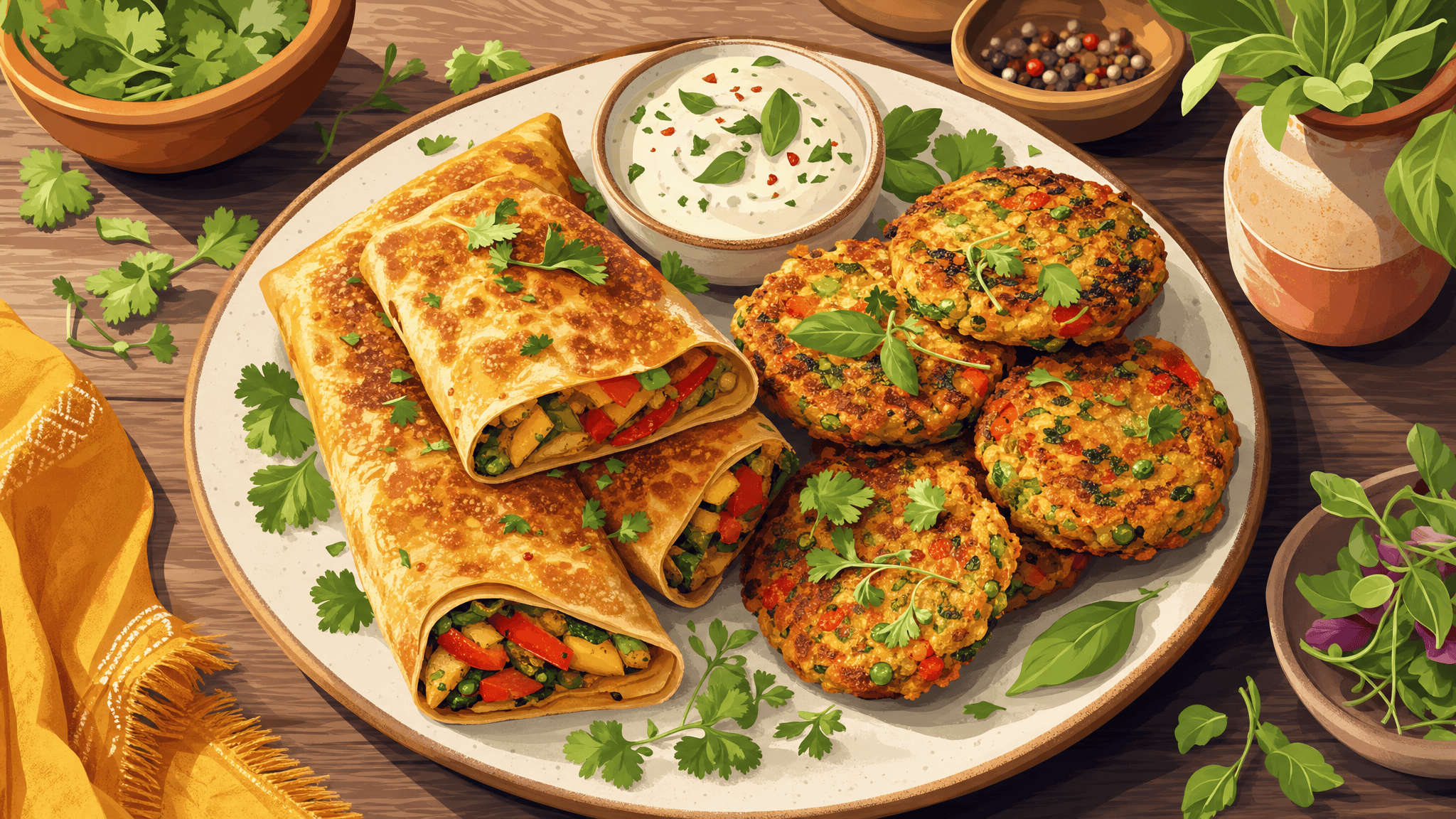
One of the most satisfying leftover reinventions is the crispy wrap: take leftover proteins, grains, or vegetables, roll them tightly in a tortilla with a bit of cheese or a binding sauce, and pan-sear the whole thing until the outside is golden and genuinely crispy. This technique works with an enormous range of leftovers — last night’s stir-fry, roasted vegetables, even leftover mashed potatoes paired with a protein — and the crisping process does something almost magical to reheated food, adding a textural contrast that plain reheating simply can’t deliver. A soggy leftover becomes a genuinely craveable, crunchy new dish with one extra step.
Fritters: Turning Odds and Ends Into Something Cohesive
Fritters are another standout technique for leftover reinvention, and they’re especially good for using up small amounts of several different leftovers that wouldn’t make a satisfying meal on their own. Finely chopped leftover vegetables, grains, or proteins, bound together with egg and a bit of flour, then pan-fried until crisp on the outside, turn a collection of odds and ends into a cohesive, genuinely appealing dish. This is one of the best uses for the small containers of “just a little bit left” that tend to accumulate in a fridge and eventually get thrown out unused.
A Few Rules for Successful Leftover Reinvention
A handful of principles separate a genuinely great leftover transformation from a disappointing one. First, add moisture back deliberately — reheated proteins and grains lose moisture, so a sauce, a fresh squeeze of citrus, or a bit of added fat helps compensate for what’s been lost since the food was first cooked. Second, introduce at least one fresh element — a handful of fresh herbs, a squeeze of lime, or some raw, crunchy vegetables — to contrast with the reheated components and keep the dish from tasting one-dimensional “leftover.” Third, lean into a different cooking method from the original dish; if last night’s protein was baked, reinventing it with a quick pan sear or crisping technique gives it a genuinely different textural identity rather than just repeating the same treatment.
Why This Trend Matters Beyond the Kitchen
There’s a practical, less glamorous benefit to leftover reinvention worth acknowledging directly: it meaningfully reduces food waste and stretches your grocery budget further, since ingredients that might otherwise get forgotten and eventually discarded instead find a second life in a genuinely appealing dish. In a moment when grocery costs remain a real pressure point for many households, treating leftovers as a creative resource rather than an obligation is both a culinary upgrade and a practical, money-saving habit.
Getting Started This Week
The easiest entry point is to pick one leftover-heavy night this week and commit to reinventing rather than reheating. Take whatever protein, grain, or vegetable you have leftover, choose either the crispy wrap or fritter approach, add one fresh element and a bit of extra moisture, and see how differently the meal lands compared to a straight reheat. Once you experience the difference, it’s genuinely hard to go back to plain microwave leftovers as your default.