Tiny Homes on Wheels in 2026: What the New Building-Code Push Means for Buyers
If you’ve spent any time in the tiny home world lately, you’ve probably heard the buzz: 2026 might be the year tiny houses on wheels finally get real recognition in the International Residential Code. For years, this corner of the housing movement has lived in a kind of legal gray zone — not quite an RV, not quite a house, and definitely not something your local zoning board knew how to categorize. That’s finally starting to change, and if you’re thinking about buying or building a tiny home this year, you need to understand what’s happening and why it matters so much.
Thank you for reading this post, don't forget to subscribe!A Quick History of the Gray Zone
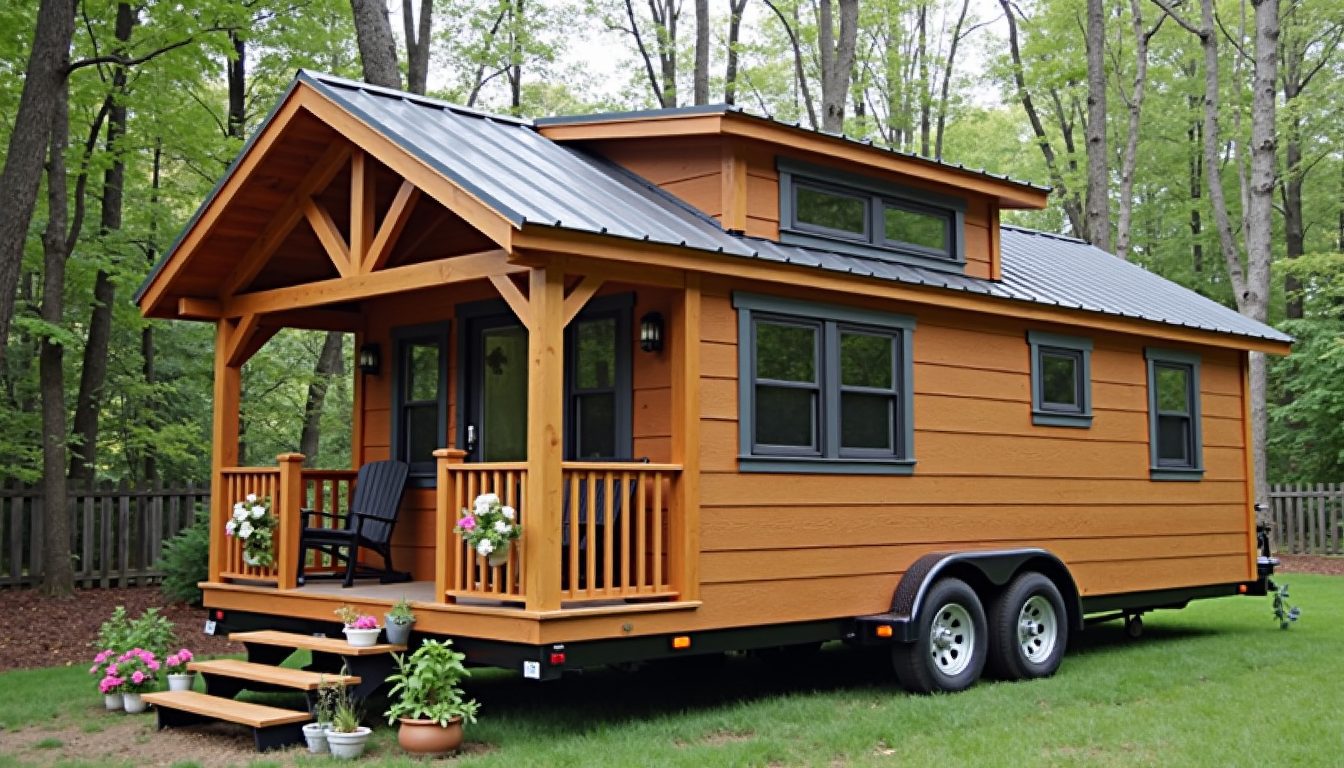
Tiny houses on wheels (often shortened to THOWs in the community) exploded in popularity over the last decade thanks to reality TV, Pinterest boards, and a genuine cultural shift toward simpler living. But building codes move a lot slower than culture does. Back when the IRC added provisions for tiny homes, they only covered structures under 400 square feet built on permanent foundations. Homes on wheels — the ones towed behind a truck or parked semi-permanently on a chassis — were left out entirely. That meant THOW owners were stuck relying on RV certification standards (like NOAH or RVIA) that were never designed for full-time residential living, or worse, no standard at all.
This gap created real problems. Insurance companies didn’t know how to classify these homes. Banks wouldn’t finance them as primary residences. And local zoning departments, unsure what box to put them in, often just said no. If you’ve ever tried to park a beautifully built tiny home on a piece of land you own, only to be told it doesn’t meet code because there IS no code for it, you know exactly how frustrating this has been.
What’s Changing Now
Advocacy groups have spent years pushing to get chassis provisions written into the IRC specifically for tiny houses on wheels. The upcoming ICC code hearing represents the most serious shot yet at getting movable tiny homes formally recognized — not as RVs, and not as stick-built houses, but as their own legitimate category with appropriate safety, structural, and livability standards. Public support has been a huge part of the campaign, with advocates rallying tiny house owners and enthusiasts to email local building officials and sign petitions ahead of the hearing.
Why does this matter so much? Because code recognition is the single biggest unlock for making tiny homes on wheels mainstream. Once a structure type is in the IRC, local jurisdictions have a template to follow. Zoning gets easier. Insurance gets easier. And — this is the big one — financing gets easier. Right now, most tiny home buyers pay cash or use RV loans with RV-level interest rates and terms. Recognition as a legitimate dwelling type opens the door to more conventional home-equity-style financing down the road.
What This Means If You’re Buying or Building Right Now
If you’re actively shopping for a tiny home on wheels this year, here’s the practical takeaway: don’t wait for the code to pass before doing your research, but do pay close attention to it. Ask builders directly whether they’re already building to anticipated IRC tiny-house-on-wheels standards, even ahead of formal adoption. Builders who are paying attention to this movement are already tightening up their construction practices — better insulation ratings, proper egress windows, correctly sized smoke and CO detectors, sound electrical and plumbing rough-ins — because they know scrutiny is coming and want their homes to hold up when inspectors start applying real standards.
Also check with your specific state and county. Some places (Oregon, parts of Colorado, and several counties in Texas among them) have already created their own local tiny-house-on-wheels allowances ahead of the national code catching up. If you’re flexible on location, this can save you enormous headaches.
The Mobile vs. Stationary Distinction Still Matters
One nuance worth understanding: even with new code provisions, a tiny home on wheels is fundamentally different from a small stationary home built to standard residential code. Homes on wheels typically use a steel chassis rather than a poured foundation, and depending on how they’re set up, they may still use RV-style utility hookups (shore power, fresh/gray/black water tanks) rather than being tied into municipal water and sewer. That’s not a downside — it’s actually one of the appeals, since it keeps the home genuinely mobile — but it does mean your home will likely always carry a bit of a hybrid identity between “house” and “vehicle,” at least for insurance and titling purposes, even after code recognition improves.
Should You Buy Now or Wait?
Honestly, there’s no perfect answer here, and it depends on your risk tolerance. If you find the right builder, the right layout, and the right price today, waiting a year or two for a code change that may or may not pass exactly as advocates hope isn’t necessarily worth putting your dream on hold. But if you’re on the fence, this is a good year to lean toward builders who are transparent about their construction standards and willing to put compliance details in writing. Ask for their electrical rough-in specs, their insulation R-values, and whether they’ll provide documentation you can hand to a local building official if questions come up later.
The tiny house movement has always been a little bit ahead of the system meant to regulate it. That’s part of its charm — and also its biggest practical headache. 2026 might finally be the year the system starts catching up. Whether you’re planning to build, buy, or just dream from your laptop, it’s worth watching this space closely, because the decisions made at this year’s code hearings could shape what “legal tiny living” looks like for the next decade.